Sleep apnea is a common disorder that affects millions of people worldwide. This is a condition in which breathing repeatedly stops and resumes while sleeping, which can lead to decreased blood oxygen levels and other health problems. In this article, we will explore what sleep apnea is and how it affects your health, as well as the symptoms you should not ignore. We will also discuss effective treatments available to help reduce the symptoms of sleep apnea, and offer tips for improving sleep quality. In addition, we will explore the latest medical innovations in the treatment of sleep apnea.
Table of contents:
1. What is sleep apnea and how does it affect your health?
2. Symptoms of sleep apnea that you should not ignore.
3. What is the mandibular advancement splint?
4. What is the mandibular advancement splint used for?
5. Treatment with the mandibular advancement splint
6. Phases of mandibular advancement splinting
7. Advantages of mandibular advancement splints
8. Price of the mandibular advancement splint
9. Opinions about the mandibular advancement splint
10. Other effective treatments for sleep apnea
11. Tips for improving sleep quality and reducing apnea symptoms
12. Medical innovations in the treatment of sleep apnea.
What is sleep apnea and how does it affect your health?
Sleep apnea is a disorder in which breathing is repeatedly interrupted during sleep. During sleep, the muscles of the upper airway relax, which can obstruct airflow and make it difficult for oxygen to enter the lungs. This causes a decrease in blood oxygen levels and an increase in carbon dioxide levels. Sleep apnea can have serious health consequences, as it reduces the quality of sleep and can lead to daytime sleepiness, poor concentration, irritability and decreased cognitive performance. In addition, people with obstructive sleep apnea have an increased risk of developing cardiovascular diseases, such as high blood pressure, heart failure and stroke. Therefore, it is essential to seek treatment for this disorder and improve the quality of sleep.
Symptoms of sleep apnea you should not ignore
Sleep apnea is a breathing disorder that can have serious health consequences if not properly treated. It is important to be aware of the symptoms of this condition and not ignore them, as they may indicate the presence of sleep apnea. Some of the most common symptoms include loud and frequent snoring, pauses in breathing during sleep, waking up feeling choked or short of breath, excessive daytime sleepiness, difficulty concentrating, and mood swings. These symptoms can negatively affect the quality of sleep and daily life of people suffering from sleep apnea. If you experience any of these symptoms, it is important to seek medical attention to receive a proper diagnosis and explore treatment options to help keep your airway open during sleep and improve your quality of life.
What is the mandibular advancement splint?
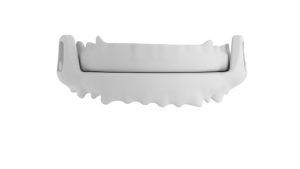
The mandibular advancement splint is an intraoral device designed to assist people with heavy snoring, allowing them to reduce this problem. It is also beneficial in mitigating sleep apnea in mild to moderate cases. Its function is to move the jaw to prevent the closure of the pharynx, the main cause of snoring. These splints facilitate the return to a restful sleep, improving the quality of life of those who use them.
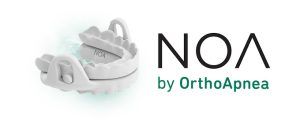
The process of mandibular advancement splinting involves three stages: first, it positions the tongue forward; second, it tightens the walls of the upper airway; and finally, it prevents closure of the mouth during sleep. It is important to note that this method is especially useful for people with sleep disorders.
What is the mandibular advancement splint used for?
These splints are suitable for people who have difficulty falling asleep due to disorders that affect their rest. Placed internally in the oral cavity, they modify the position of the mandible, tongue and other supporting structures, treating both apneas and snoring. However, its efficacy is limited to mild and moderate cases. Currently, there are several types of splints adapted to the individual needs of each patient.
Mandibular advancement splint treatment
In recent years, mandibular advancement splints have proven to be effective in the treatment of sleep disorders, significantly improving the rest of affected individuals. These devices seek to eliminate apnea-related symptoms by preventing the collapse of the tongue with the pharynx. Their high efficacy has made them a preferred solution for many patients.
Phases of mandibular advancement splinting
The design and fabrication of the splint involves three fundamental phases:
1. Retention phase: Uses specific software to adapt the splint to the patient, ensuring a perfect fit in the mouth.
2. Joint customization phase: Allows to adapt the person’s joint to achieve the most natural movement possible.
3. Design phase: Completely customizes the splint, achieving near-perfect precision.
Once these phases are completed, the patient can begin to use the mandibular advancement splint, experiencing its positive benefits in their daily life.

Advantages of mandibular advancement splints
The splints offer multiple benefits, including the following:
- Convenience: Portable and without the need for electricity, it is easy to carry anywhere.
- Efficacy: Avoids problems derived from lack of sleep, such as moodiness, drowsiness and exhaustion.
- Discreet: Its silent operation makes it discreet and comfortable for those who use it.
Price of the mandibular advancement splint
The costs of these splints vary according to the clinic, design and individual characteristics. In our clinic, we strive to offer affordable prices, adapting budgets to each case. This has led more and more people to choose our splints to solve their sleep problems.
Mandibular advancement splint reviews
In our clinic, most patients who opt for our services experience great satisfaction with the results. Aware of the challenges faced by those suffering from sleep disorders, we strive to provide the best quality in our work, designing splints that are perfectly adapted to each patient. This approach allows for sleep recovery, adequate rest and improved quality of life.
Other effective treatments for sleep apnea
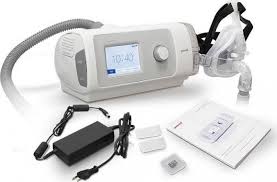
There are several effective treatments for sleep apnea that can help improve the quality of life of those who suffer from it. One of the most common treatments is the use of continuous positive airway pressure (CPAP) devices. These devices deliver air through a mask, keeping the upper airway open during sleep. Positive airway pressure (BiPAP) devices that provide different levels of pressure during inhalation and exhalation are also used. Another option is hypoglossal nerve stimulation, a surgical treatment that implants a device in the neck to stimulate the tongue muscles and keep the airway open. In addition, there are surgeries to correct structural abnormalities in the upper and lower airways. It is important to consult a medical specialist to determine the most appropriate treatment for each case.
Tips to improve sleep quality and reduce apnea symptoms
To improve the quality of sleep and reduce the symptoms of sleep apnea, there are several tips that may be helpful. First, it is important to maintain a regular sleep schedule, going to bed and getting up at the same time every day. In addition, it is advisable to avoid drinking alcohol and smoking before going to sleep, as they may worsen the symptoms of apnea. Maintaining a healthy weight may also help, as excess weight can increase upper airway obstructions. Sleeping on your side instead of on your back may make it easier to breathe during the night. It is also suggested to maintain good sleep hygiene, such as creating a quiet and dark environment in the bedroom, avoiding the use of electronic devices before sleeping and practicing relaxation techniques such as meditation or deep breathing. These simple tips can help improve sleep quality and reduce sleep apnea symptoms.
Medical innovations in sleep apnea treatment
Sleep apnea is a condition that can be treated with several medical innovations. One of the most effective is continuous positive airway pressure (CPAP), which keeps the upper airway open during sleep, helping to reduce snoring and improve sleep quality. Another option is stimulation of the hypoglossal nerve, which helps to keep the airway open by means of electrical impulses. In addition, there are oral devices that help keep the upper and lower airways open. There are also surgical treatments that may be helpful for people with obstructive sleep apnea, such as upper airway surgery or maxillofacial surgery. In general, it is important to seek treatment if sleep apnea is suspected, as it can seriously affect long-term health.
In summary, sleep apnea is a disorder that can significantly affect the quality of life of those who suffer from it. It is important to know the symptoms and seek treatment to avoid long-term health complications. Fortunately, there are effective options for treating sleep apnea, such as continuous positive airway pressure, hypoglossal nerve stimulation devices and lifestyle changes. In addition, medical innovations continue to advance in this field to offer even more effective treatments. For those suffering from sleep apnea, it is important to speak with a medical professional to find the best treatment option for your individual case. It is also crucial to take measures to improve sleep quality, such as maintaining a regular sleep schedule and keeping the upper airway open. Ultimately, addressing sleep apnea can significantly improve overall health and well-being. How can we continue to promote awareness and access to treatments for sleep apnea?
At IMOI Barcelona and IMOI Ibiza, we follow editorial principles that guarantee the authenticity of all the information we disseminate. If you are interested in learning more about how we ensure that our content is always up-to-date and accurately supported, we invite you to review our editorial commitment.
This article has been written or supervised by Dr. Ferran Novell Costa and Dra. Erjona Demiraj, experts in Dental Health and Dental Aesthetics treatments. Responsible for the treatments provided at IMOI Barcelona and IMOI Ibiza and for the supervision and/or updating of the contents of this blog entry. The recommendations described are not generic and do not replace the diagnosis and evaluation of a professional in a dental office. This content has been created by people and for people but if you want us to clarify any aspect or want a personalized diagnosis and advice we recommend you to come to our dental clinics.
Reproduction in whole or in part in any medium without written permission is prohibited.
The following bibliography has been used for the preparation of this article:
Management of SAHS using mandibular advancement devices. Preliminary study. Manuel Sánchez-Molinía, Angel Rollóna, José María Benítezb, Francisco Mayorgaa, Silvia Gallanaa, Rodrigo Lozanoa, Joel Joshi Oteroa and Magdalena Gascónc. Rev Esp Cirug Oral y Maxilofac vol.32 no.4 Madrid Oct./Dec.2010


