

Created 13/10/2015
Updated 12/15/2023
Did you know that the color of your tongue and your mouth in general can determine if you have any type of health condition?
In Imoi clinics in Barcelona and Ibiza we believe it is of vital importance that our patients and non-patients know that when focusing on their oral health they should also check and be aware of any kind of color change in the oral cavity.
The tongue, in addition to providing direct access to flavors and culinary delights, has the particularity of showing us if something is wrong with our body. Sudden changes in the color of your mouth are not a healthy indicator and are a warning sign that should be heeded. Check especially the color of the tongue.
Reasons for tongue color changes
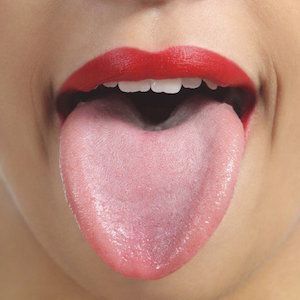
Our tongue should always look moist and reddish in color. A color that immediately reflects health and that everything is going well. If there is an abrupt change in this lush tone then it means that there are organs that are not working properly; that internally we may have some malfunction.
In particular, we could say that the liver, the stomach or the gallbladder would be affected and this is reflected in the state of our mouth.
- Some patients have asked us what could be the causes of a blackish tongue? In that sense, we are talking about a more important alarm signal, especially if it could even be seen dry and velvet-like appearanceIn this case, medical evaluation should not wait because it may be due to an excessive increase of oral bacteria that should be treated by your dentist in a prompt manner.
- If your language has changed to a pale and almost white color be careful as special attention should be paid to this coloration as it could be due to the presence of cecae.dead cells, debris and bacteriaIf you notice that it is a thick layer that is also completely adhered to your skin, the doctor is the one who will be able to give you a solution to your condition. It is likely that you are suffering from an infection or it may also be an early stage of some type of sarcoma. Although it could also be due to the presence of anemia.
When you brush your teeth, you should also brush your tongue; its hygiene is of vital importance for good health. But what about the rest of your mouth? Here we have already explained how to have a good dental hygiene.
Color changes in other areas of the mouth
 In your consultations at your Imoi clinic, our doctors will perform an auscultation of all areas of your mouth. To check if there is any type of alteration in the colorations. Not only the color of the tongue can indicate the presence of a disease in other organs, but also areas such as the palate or cheeks.
As mentioned above, a change in the color of our mouth indicates possible diseases of the adrenal glands, infections, increased bacteria, dead cells, fungi or cancer.
As in the case of the language, if the following are present white areas in the mouththe type of problem could be the same as the ones mentioned above, although also if the pale area is present throughout the oral cavitythere could be a keratin thickening always contained in the skin and that could increase in its buccal layer; this happens frequently among people who are smokers or who use chewing tobacco.
If the mouth lining thins, and it becomes reddened. than we normally see in a healthy mouth, it is most likely due to a problem in the teeth. blood vessels but it also indicates the presence of something more serious such as an increase in cells that could turn out to be precancerous. No color change to red or white should be exempt from review by your dentist or physician.
In this link you can find all the dental esthetic treatments (veneers, teeth whitening, etc.) and other treatments that you can have at the IMOI for perfect teeth. Lhe first visit is totally free and we will perform a complete dental study. See in this section everything we will do during your first visit at IMOI.
Also check your cheeks; if you see that they have a kind of fine mesh with small eruptions, they should be checked by your doctor. Sores sometimes signify a weakening of your immune system and may require another type of medical study, however, at your visit to Imoi dental clinics we will be able to give you a better answer.
Even in children (or adults) one of the first signs that an infectious process of measles will start is precisely the appearance of spots on the cheeks. Something that simulates grains of sand.
The color of the Palate
Like the color of the tongue, the change in color of the palate can also indicate some type of infection or irritation, but even more complicated conditions, especially in people who have been smokers for many years. In this case the palate could be stained with a white or red spotted appearance. In any case, a visit to the doctor is imminent because it could even trigger the appearance of sores.
If after performing oral sex on your male partner, you notice that some small red spots appear on the roof of your mouth, it could be because some blood vessels have broken and it won’t take many days for everything to return to normal. If not, visit your doctor because it could represent some kind of blood disorder.
When our patients have fixed or removable dental prosthesesor also some type of orthodontic appliance it is common to present some type of redness or color change, especially if they are poorly adjusted or are inside your mouth for a long time.
If you have any of these appliances, follow the indications for use and maintenance given by your doctor, as some of them must be removed for cleaning and resting in your mouth.
Oral health is not only related to your teeth and molars, you should always be aware of any changes and do not hesitate to contact Imoi if you have any further questions. Take care of the color of your mouth.
Why does the black hairy tongue darken?
Black hairy tongue, also known as lingua villosa nigra, is a condition characterized by the tongue taking on a dark, hairy appearance. The root cause of this disorder lies in the accumulation of dead cells on the surface of the tongue papillae.
Despite its potentially unpleasant and noticeable appearance, black hairy tongue usually does not cause any health problems or pain. Furthermore, in most cases, this is a temporary condition that can be resolved by careful oral hygiene practices, specifically by maintaining proper dental and tongue hygiene. It is strongly recommended to limit the consumption of tobacco, black tea or coffee and alcohol, as these substances may contribute to the development or exacerbation of black hairy tongue.
How to prevent dark black hairy tongue?
Black hairy tongue is a condition characterized by a dark, hairy appearance of the tongue caused by the accumulation of dead cells in the superficial papillae. While it may seem unpleasant and noticeable, it generally does not cause health problems or pain. Fortunately, it can usually be controlled and prevented through proper oral hygiene practices.
To control black hairy tongue, it is essential to maintain thorough dental and tongue hygiene. Brushing your teeth regularly with a soft-bristled brush and toothpaste, focusing specifically on the surface of the tongue, can help remove accumulated dead cells. Using a tongue scraper or gently brushing the tongue with a tongue cleaner can further remove any debris or bacteria that may contribute to the condition. It is recommended to perform these hygiene practices at least twice a day, especially after meals.
In addition to proper oral hygiene, making certain lifestyle adjustments can help prevent black and hairy tongue. Restricting the consumption of substances such as tobacco, black tea or coffee and alcohol may decrease the likelihood of developing the condition. These substances have been linked to the accumulation of dead cells and pigments on the surface of the tongue. Drinking plenty of water and maintaining a balanced diet, rich in fruits and vegetables, can also help prevent black hairy tongue.
In general, controlling and preventing black hairy tongue involves maintaining excellent oral hygiene, including regular brushing of the teeth and tongue, as well as the use of a tongue scraper or tongue cleaner. In addition, avoiding or reducing the intake of substances that contribute to the condition, such as tobacco, black tea or coffee, and alcohol, can significantly reduce the risk of developing black hairy tongue.
What is cleft tongue and what are its symptoms?
Fissured tongue, also known as scrotal tongue, is a condition characterized by the presence of cracks or grooves in the upper and lateral areas of the tongue. Although fissured tongue can have an impact on appearance, the severity of its signs can vary. However, it is important to note that this condition is not considered serious, contagious or detrimental to a person’s daily life. In some cases, people may experience inflammation, pain or bad breath specifically related to tongue fissures.
What is ankyloglossia and what causes it?
Ankyloglossia, also known as frenulum, is a condition characterized by a short frenulum, the piece of tissue that connects the tongue to the floor of the mouth. This short frenulum restricts tongue movement, causing difficulties with various activities such as breastfeeding, eating, speaking and swallowing. The exact cause of ankyloglossia is still uncertain, but it is believed to have an important genetic component. Newborns and infants are often diagnosed with ankyloglossia, as it becomes evident during breastfeeding difficulties. If the discomfort and challenges caused by a short frenulum are significant, surgical intervention may be necessary to resolve the condition.
What is oral lichen planus and what causes it?
Oral lichen planus is the most common non-infectious disease affecting the oral mucosa, which includes the tongue, inner cheeks and floor of the mouth. It is important to note that this condition is characterized by inflammation and is chronic in nature, meaning that it tends to come and go over time. The development of oral lichen planus is mainly attributed to two main causes: immune disorders and certain diseases such as hepatitis C.
What is oral candidiasis and how is it treated?
Oral candidiasis, also known as thrush, is an infection caused by an overgrowth of the fungus Candida in the mouth. It is characterized by the presence of white lesions on the tongue, gums or other parts of the mouth. These lesions may be accompanied by a reddened and painful area that may sometimes bleed.
This condition most often affects people with weakened immune systems, such as those with chronic diseases or HIV. It can also occur in infants who have not yet developed a strong immune system. To effectively control and treat oral thrush, it is important to take certain precautions and seek dental care.
If you are diagnosed with oral thrush, your dentist will determine the appropriate treatment plan based on the severity of your condition. Generally, treatment may involve the use of antifungal drugs, which are taken orally. These medications help kill excess Candida fungus in the mouth. To ensure proper healing, it is often recommended to rinse the mouth with the prescribed antifungal solution several times a day.
It is essential to follow the dentist’s instructions and complete the full course of treatment to ensure an effective and lasting resolution of oral candidiasis. Periodic dental checkups are also important to monitor progress and prevent recurrence of infection.
What is leukoplakia and how is it treated?
Leukoplakia is a common condition of the tongue found mainly in adults. It manifests as white patches in oral areas such as the tongue and inner cheeks. This disorder usually has an irritative origin, often caused by factors such as tooth irritation, dentures, tobacco or alcohol. By eliminating the source of irritation, such as changing oral habits or giving up certain habits, leukoplakia can often be resolved. However, it is essential to consult a dentist, primary care physician or otolaryngologist when any lesion in the mouth is present, as it may indicate the early stages of oral cancer.
What is geographic language?
Patients often wonder about the possible causes of a blackish tongue. It is crucial to be aware that this can be an important warning sign, especially if it appears dry and velvety in texture. In such cases, seeking immediate medical evaluation becomes essential, as it may indicate an excessive buildup of oral bacteria that your dentist should address.
Geographic tongue, on the other hand, is a condition of the tongue characterized by the presence of white or red spots, resembling a map, along with cracks on the surface of the tongue. Medically referred to as benign migratory glossitis, it can be caused by several factors. Some common causes include vitamin deficiencies, high levels of stress or anxiety, genetic predisposition and hormonal fluctuations in women.
It is worth noting that, in many cases, geographic tongue symptoms tend to resolve spontaneously. However, promoting remission can be facilitated by maintaining good oral hygiene practices, abstaining from alcohol and tobacco consumption, as well as avoiding the consumption of excessively hot or spicy foods.
While it is important to watch for signs of black tongue and seek immediate medical attention if necessary, understanding geographic tongue, its causes and implementing measures to control it can contribute to a more comprehensive understanding of oral health and wellness.
When to seek dental or medical treatment for diseases of the mouth?
In general, it is recommended to seek medical or dental treatment for tongue disease if any abnormality or symptom is present that significantly affects the appearance or overall health of the tongue. While some tongue diseases may resolve on their own, it is important to take note of any changes in tongue color, the presence of white or red spots, or any other noticeable signs that may indicate poor tongue health.
Each case and disease must be assessed individually, as the need for treatment may vary. While some people may not require any treatment, others may benefit from medication or even surgery to treat tongue disease.
If you notice any worrisome changes or symptoms in your tongue, such as persistent discoloration, unusual growths, pain, or difficulty speaking or swallowing, it is recommended that you seek medical or dental attention. A healthcare professional will be able to evaluate your condition, provide an accurate diagnosis and determine the appropriate course of treatment, if necessary. Remember, early intervention and seeking professional guidance are key to maintaining good tongue health.
What are the most frequent diseases of the mouth?
The tongue can be affected by various conditions, including macroglossia, oral candidiasis, leukoplakia, oral lichen planus, geographic tongue, ankyloglossia, fissured tongue, and hairy black tongue. While some of these tongue diseases require medical or dental treatment, others may resolve on their own. It is important to note that a healthy tongue should have a pink appearance, without any significant white or red spots or noticeable issues. Any abnormalities in the tongue’s appearance may indicate poor health.
What are the solutions for these mouth diseases?
When it comes to diseases of the tongue, there are several solutions available depending on the specific condition. A common tongue condition is macroglossia, which is usually genetic or congenital in origin. It is frequently seen in people with conditions such as Down syndrome, hypothyroidism or Beckwith-Wiedemann syndrome. In the event that macroglossia causes discomfort or difficulty, surgical intervention to reduce the size of the tongue may be considered. However, each case must be evaluated individually and treatment options may vary from person to person.
Leukoplakia is another common disease of the tongue that usually affects adults. It manifests as white patches in the oral cavity, such as on the tongue or inner cheeks. Leukoplakia is usually caused by irritation from factors such as dental appliances, the teeth themselves, smoking or alcohol. Elimination of the source of irritation often leads to the disappearance of leukoplakia. However, any oral lesion should be examined by a dentist, general practitioner or otolaryngologist, as it could be an early sign of oral cancer.
Candidiasis, a fungal infection caused by an overgrowth of Candida in the mouth, can also affect the tongue. This infection presents as white lesions on various oral surfaces, such as the tongue or gums, often accompanied by a red, potentially bleeding base. Candidiasis mainly affects people with weakened immune systems, including adults with chronic diseases or HIV, as well as infants with undeveloped immunity. It is important to note that candidiasis on the tongue can be contagious and potentially transmitted through activities such as kissing. Therefore, caution should be exercised when experiencing candidiasis and it is essential to visit a dentist for proper treatment. Treatment for candidiasis on the tongue usually involves an oral antifungal medication prescribed by a dentist, along with several daily mouth rinses.
It is critical to remember that treatment approaches for tongue diseases may vary according to individual circumstances. It is necessary to seek professional advice from a dentist or other health care provider to determine the most appropriate treatment option for each specific condition.
For any questions do not hesitate to use the chat on the page, our dentists will help you.
At IMOI Barcelona and IMOI Ibiza, we follow editorial principles that guarantee the authenticity of all the information we disseminate. If you are interested in learning more about how we ensure that our content is always up-to-date and accurately supported, we invite you to review our editorial commitment.
This article has been supervised by Dr. Ferran Novell Costa and Dra. Erjona Demiraj, specialists in Dental Health and Dental Aesthetics treatments. Responsible for the treatments provided at IMOI Barcelona and IMOI Ibiza and for the supervision and/or updating of the contents of this blog entry. (7/11/2023). The recommendations described are not generic and do not replace the diagnosis and evaluation of a professional in a dental office. If you want us to clarify any aspect or you want a personalized diagnosis and advice we recommend you to come to our dental clinics.
Reproduction in whole or in part in any medium without written permission is prohibited.


