

Created 26/6/2019
Updated 16/1/2024
In the field of dentistry, dental implants have become an effective and durable solution for replacing missing teeth. However, before undergoing this type of treatment, it is important to take into account several factors that influence its success and cost. In this article, we will explore the different options and considerations in dental implant treatments, the importance of choosing the right dental clinic, bone regeneration as a key to success, what you should know about an implantology study, immediate loading and delayed loading options, and finally, the types of treatments available to replace missing teeth.
Table of contents:
1. Dental implant treatments: options and considerations.
2. The importance of choosing the right dental clinic.
3. Bone regeneration: key to the success of dental implants.
4. Implantological study: what should you know?
5. Immediate vs. deferred loading: which is the better option?
6. The price of dental implants: factors that will influence their cost.
7. Types of treatments to replace missing teeth.
8. How to know what is the best price for dental implants?
9. What factors influence the budget for dental implants?
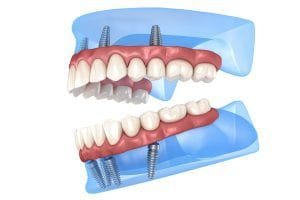
Dental implant treatments: options and considerations
When it comes to dental implant treatments, there are several options and important considerations to keep in mind. First of all, it is essential to choose an experienced professional and a dental clinic specialized in this type of procedure. This will ensure that quality work is performed and the risks associated with dental implant surgery are minimized. In addition, it is crucial to assess the patient’s oral and bone health status before proceeding with treatment. Bone regeneration may be necessary in some cases to ensure a solid base for implants. Another aspect to consider is the type of treatment to be performed. Immediate loading, where implants are placed and loaded with a provisional denture on the same day, may be a suitable option for some patients, while others may require delayed loading, where implants are allowed to fully integrate before the final denture is placed. Finally, cost must also be taken into account. The price of dental implants can vary depending on several factors, such as the number of implants needed, the type of additional treatments required (such as sinus lift) and the geographic location of the dental clinic. In summary, when considering dental implant treatments, it is important to choose a specialized dental clinic, evaluate the patient’s oral and osseous condition, decide between immediate or deferred loading and take into account the total cost of the treatment.
The importance of choosing the right dental clinic
When it comes to dental implant treatments, choosing the right dental clinic is crucial. First of all, it is important to look for a clinic that has experience in dental implant surgeries and has a team of professionals specialized in this type of procedure. In addition, it is advisable to look for a clinic that offers a variety of implant treatments to suit the patient’s individual needs.
Another important factor to consider when choosing a dental clinic is the quality of the materials used in the treatments. It is important to ensure that the clinic uses high quality materials that meet international standards to guarantee the safety and efficacy of the treatment.
In addition, the dental clinic must have advanced technology and modern equipment to perform procedures effectively and accurately. Technology can also help improve the patient experience during treatment.
Finally, the choice of the right dental clinic can also influence the price of dental implants. It is important to keep in mind that the price does not always reflect the quality of the treatment, so it is advisable to research and compare different options before making a final decision.
In summary, choosing the right dental clinic is critical to the success of dental implant treatment. A good choice can ensure patient safety, efficacy and comfort throughout the entire process.
Bone regeneration: key to the success of dental implants
Bone regeneration is a key factor in the success of dental implants. When a tooth is lost, the lack of stimulation in the bone can cause its resorption and weakening, making it difficult to place an implant. In these cases, bone regeneration becomes an indispensable option to recover the quality and quantity of lost bone. This procedure allows to create the necessary support to place dental implants and ensure their long-term stability.
There are different bone regeneration techniques, including sinus lift, which is used when there has been bone loss in the posterior part of the upper jaw. The technique consists of lifting the maxillary sinus and placing bone graft material to create a new support. Another technique is guided bone regeneration, which is used in cases where the amount of bone is insufficient to place an implant. A membrane is placed over the affected area and bone graft material is injected to stimulate bone growth.
It is important to note that bone regeneration not only influences the success of the dental implant, but also the durability and esthetics of the dental prosthesis. A good bone support will allow the implant to be resistant to masticatory forces and avoid problems such as fractures or displacements. On the other hand, a correct bone regeneration will also allow to obtain a natural and harmonious aesthetic.
In conclusion, bone regeneration is fundamental to the success of dental implants and its cost can vary according to the type of technique used. It is important that patients consult with a specialist in dental implantology to determine if they need a bone regeneration treatment prior to implant placement and what is the best technique for their particular case.
Implantology study: what should you know?
An implantological study is a detailed examination performed prior to the placement of dental implants. This study is important to evaluate the patient’s oral health, as well as to determine if the patient is a good candidate for dental implants. During the study, the dentist will perform a series of tests and examinations to determine the amount of bone available in the jaw and the quality of the bone. The gums will also be examined and x-rays will be taken to evaluate the position and size of adjacent teeth and nerves.
In addition, the implantological study may also include an evaluation of the patient’s occlusion and bite, as these factors can influence the success of dental implants. If the patient has occlusion or bite problems, this can affect how the implants are placed and how they function after surgery.
In general, an implantological study is important because it helps the dentist to determine which type of dental implant is suitable for the patient and how they should be placed. It also allows the dentist to identify any potential problems prior to surgery, which can help prevent complications and ensure a successful outcome.
It is important to note that each case is unique, so not all patients need an exhaustive implantological study. However, it is advisable for anyone interested in undergoing dental implant surgery to talk to their dentist about their specific needs and whether an implantology study is necessary before proceeding with surgery.
Immediate vs. deferred loading: which is the better option?
Immediate loading and delayed loading are two different options for placing dental implants after surgery. Immediate loading involves placing a provisional or definitive dental prosthesis on the same day of surgery, while delayed loading requires a healing period before placing the prosthesis. Both options have their advantages and considerations to take into account.
Immediate loading offers the advantage of obtaining a complete smile in a short period of time. This can be especially beneficial for those patients who desire quick and esthetically pleasing results. However, this option may not be suitable for all cases. It is important that the patient has good oral and bone health, as immediate loading puts pressure on the bone and surrounding tissues.
On the other hand, deferred loading allows adequate healing time before the definitive prosthesis is placed. This gives the bone time to regenerate and adapt to the implant, which can result in greater long-term stability. In addition, this option is safer for patients with oral health problems or those who require additional bone regeneration.
The choice between immediate and delayed loading will depend on the individual needs and circumstances of each patient. It is important to consult a dental implant specialist to evaluate the specific case and determine the best option. Factors such as oral health, bone condition and patient preferences will influence this decision.
The price of dental implants: factors that will influence the cost of dental implants
The price of dental implants is one of the most important factors to consider before deciding on such a treatment. Although the cost may vary depending on the dental clinic and the country where it is performed, there are several factors that will influence its cost. One of the main factors is the type of treatment needed, as some cases may require additional surgeries such as sinus lift or bone regeneration, which will increase the total cost of treatment. Another important factor is the type of implant used, as there are different materials and brands available on the market, each with a different price. In addition, immediate loading can also affect the price, since this type of treatment allows implants and dentures to be placed in a single session, which can increase the total cost of treatment. Other factors that can influence the price are the experience and reputation of the dental clinic, as well as the geographic location. In Spain, the average cost of a dental implant ranges between 800 and 2000 euros per piece, depending on the factors mentioned above. It is important to remember that although the price may seem high, dental implants are a long-term investment to improve oral health and quality of life.
Types of treatment to replace missing teeth
There are different types of treatments to replace missing teeth, and the choice of method will depend on several factors, such as the number of missing teeth, the patient’s oral health and individual preferences. A common option is the use of dental implants, which consists of placing an artificial titanium root in the maxillary or mandibular bone, on which a dental prosthesis is placed. Dental implants offer a permanent and esthetic solution, as they integrate with the natural bone and function like natural teeth. Another alternative is the removable dental prosthesis, known as dentures, which can be partial or complete. These prostheses are a cheaper and simpler option, but require more care and periodic adjustments. In addition, there are fixed dental bridges, which consist of attaching a dental crown to the teeth adjacent to the empty space. This option is ideal when you have one or more missing teeth in the same area. Finally, in cases where there is not enough bone to place implants, bone regeneration or sinus lift techniques can be used to create the necessary conditions for successful implant placement. In summary, the different types of treatments to replace missing teeth offer customized solutions according to the needs and preferences of each patient.
In summary, dental implants are an effective and durable solution to replace missing teeth. However, it is important to consider several factors when choosing the right treatment and dental clinic. Bone regeneration is key to the success of implants and an implantological study can help determine the most appropriate type of treatment for each case. In addition, immediate loading may be a good option in some cases, although it is not always recommended. Finally, the price of dental implants can vary depending on several factors, such as the quality of the material used and the complexity of the procedure.
It is important to think about the importance of taking care of our oral health and to go to a professional specialized in this area. The right choice of treatment and dental clinic can influence the success and durability of dental implants. It is also important to consider that the placement of dental implants involves surgeries that require a process of recovery and aftercare. In conclusion, we must take all these aspects into account before making a decision about our dental implant budget.
Tooth loss usually causes great distress in almost all patients. The unsightly space left by the missing piece, as well as the difficulties in chewing or speaking, can be a trauma for the person. One of the first concerns of the patient, when suffering a loss, is to know how much a dental implant costs.
dental implant treatment.
First of all, you should know that an estimate for dental implants depends on many variables, whether it is the type of prosthesis to be chosen, the method to be used, or even the general state of health of the patient. It is impossible to determine how much an implantology treatment costs before the surgeon makes a complete assessment.
How to know what is the best price for dental implants?
Before a dental implant estimate can be made, the dentist will need to perform some tests on you, as well as take a medical history by asking you about your general health and family history.
It is important to know if you or a close relative suffers or has suffered from gum problems such as periodontitis. It will also ask you about your health habits, if you smoke, if you drink regularly or if you suffer from any major disease, such as diabetes.
There are many factors that influence the type of implant treatment that best suits your circumstances. A professional will always make a personalized study before proposing any procedure and, above all, before offering an estimate. Be wary if you are given a price before a complete diagnosis has been made and all possible alternatives have been explained to you. If you search on the Internet, we recommend that you do so at
trusted places
where you will be attended by expert professionals, with the best facilities, quality material and that are focused only on your treatment.
What factors influence the budget for dental implants?
After completing your medical history, the surgeon will perform a complete dental study and a CT scan to check the general condition of your mouth; both tests are completely free of charge at IMOI. Next, the dentist will consider the following factors in order to determine the budget for dental implant treatment:
– The quality and quantity of bone mass in the mandible and whether or not to perform a bone or membrane graft.
– The type of implant that can be placed, as well as the crown, which can be made of different materials, temporary or definitive.
– The need for extraction or periodontal treatment prior to implant placement will also be assessed.
– Another factor to consider is the type of anesthesia. In no case will you feel any pain, but if you have a hard time when you have to undergo dental treatment, you can choose conscious sedation, so that you are totally relaxed at the time of the intervention.
After assessing all these variants, the dentist will be able to offer you the best possible dental implant quote adapted to you.
You should keep in mind that, within the recommendations that your trusted dentist may make, there are equally valid variants that may be better suited to your pocket.
There are many
types of crowns on implants
and, depending on the material in which they are made, their price can vary significantly.
Likewise, if you think that in the future you could afford a higher quality implant, you can discuss it with the surgeon and choose a temporary prosthesis and then replace it with the definitive one. The provisional prosthesis is as functional as the one that will be placed later, you do not have to worry about it.
The great advantage of implants over other non-permanent prosthetic treatments, such as dentures or bridges, is that maxillofacial bone density is maintained and gum recession is slowed down. The quality-price ratio of dental implants with respect to other alternatives is clearly superior and recommendable.
Recover your smile definitively in the hands of the best professionals. We offer you personalized treatment in our
dental clinic in Barcelona
and the
dental clinic in Ibiza
. Don’t hesitate,
contact us at
without obligation.
At IMOI Barcelona and IMOI Ibiza, we follow editorial principles that guarantee the authenticity of all the information we disseminate. If you are interested in learning more about how we ensure that our content is always up-to-date and accurately supported, we invite you to review our editorial commitment.
This article has been supervised by Dr. Ferran Novell Costa and Dra. Erjona Demiraj, specialists in Dental Health and Dental Aesthetics treatments. Responsible for the treatments provided at IMOI Barcelona and IMOI Ibiza and for the supervision and/or updating of the contents of this blog entry. (7/11/2023). The recommendations described are not generic and do not replace the diagnosis and evaluation of a professional in a dental office. If you want us to clarify any aspect or you want a personalized diagnosis and advice we recommend you to come to our dental clinics.
Reproduction in whole or in part in any medium without written permission is prohibited.


