
Created 5/24/2020
Updated 12/15/2020
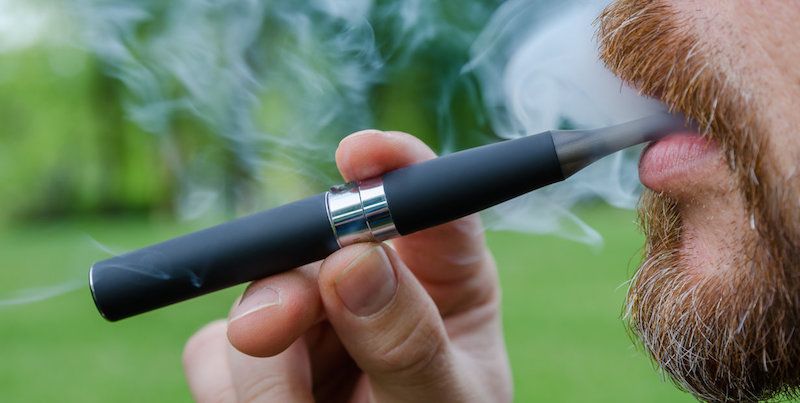
The search for alternatives to smoking or how to smoke better and without irrigation has provided alternative systems, giving rise to the electronic cigarette (vaping), which can be smoked when the craving for a puff is too strong to control.
While compromising dental health, e-cigarettes are followed by a long list of nicotine replacement products including sprays, lozenges and patches. E-cigarettes are also available without nicotine and were promoted as a healthier alternative to traditional cigarettes. Some believe that e-cigarettes can be used as a smoking cessation tool. However, there is little data to support this, then,
How do e-cigarettes affect your mouth and dental health?
If we do a little search on the internet we will realize the controversies that exist, there are advocates that the electronic cigarette has no particular contraindications or for the people around them and others who believe and defend the opposite, the truth is that the trend of vaping is increasing, as can be seen in this graph of google searches:
This time we are going to inform you about the oral problems that can be caused by the use of the electronic cigarette and this new trend called vaping, but:
is this type of electronic cigarette addictive?

Juan Wolfgang Zinser Sierra, president of the Mexican Council Against Smoking, made up of epidemiologists, specialists and members of the Ministry of Health, explained that the tobacco industry, in addition to targeting minors and women, is now making inroads into electronic cigarettes with concern. According to the oncologist of the National Cancer Institute (INCAN), this type of cigarette emerged, without medical support, in China, in order to replace nicotine addiction, considering that it is one of the easiest diseases to acquire and difficult to control compared to other substances such as alcohol, marijuana and cocaine. To see the full article visit this page.
The reality is that young people are particularly attracted to electronic cigarettes. By 2015, 1 in 10 high school students will have used them at least once and, according to the American Society of Clinical Oncology, “17% of adolescents who smoked e-cigarettes and previously did not are becoming addicted.”
Maintaining good oral health, regardless of age, is essential, and even more so if we smoke. Our main advice is to come and visit you in our IMOI dental clinics in Barcelona and Ibiza.
On your first visit we will perform a CT scan and a Premium Dental Study totally free of charge.
. This way you will be able to know the state of your oral health. In our clinics we do any type of dental treatment, you can see it in this section. Also check out all the free services you will receive during your first visit.
How does vaping affect our oral and dental health?
E-cigarettes are positioned as an alternative to cigarettes, researchers are trying to study their effect on oral health. Smoking has a detrimental effect on oral health, including bad breath, tooth discoloration, gum disease and poor healing after dental procedures. Research to date shows that the use of electronic cigarettes also has a negative effect on oral health.
The use of this type of cigarette can cause:
- Increased risk of oral cancer
- Gingivitis
- Periodontitis
- Receding gum line
- Teeth are loosened
- Accumulation of bacteria in the mouth and bad breath
- Accelerated caries rate
- Worsening of Bruxism
The vaporizing liquid used in electronic cigarettes contains formaldehyde, propylene glycol, acrolein, toluene, nitrosamines, acetaldehyde, nickel, cadmium and other chemicals. As mentioned above, it also contains nicotine, which is known to cause oral lesions. Carcinogens, such as nitrosamines, found in electronic cigarettes increase the risk of oral cancer in their users.
Gingivitis, an inflammation of the gums, results from exposure of the oral cavity to nicotine. If left untreated, it progresses to periodontitis.
Vaping, as the use of electronic cigarettes is known, leads to a receding gum line. Gum recession, caused by the death of gum tissue, occurs due to vasoconstriction caused by nicotine. Nicotine deprives the gums of oxygenated blood and nutrients.
Receding gums, in turn, loosen teeth and require otherwise avoidable visits to the dentist. With electronic cigarettes, the absorption capacity of nicotine by gum tissue is quite high and increases the risk of oral diseases.
E-cigarettes often hide the presence of gum disease from dentists. Irritated, swollen gums that bleed easily are a telltale sign of gum disease. However, nicotine restricts the blood supply to the gums and masks symptoms in a way that makes it difficult to diagnose gum conditions and delays treatment. A dry mouth and poor saliva production due to the nicotine in e-cigarettes leads to bacteria buildup in the mouth and bad breath.
Maintaining bacterial colonies under the gums leads to more plaque than a healthy mouth can support. Plaque is associated with dental caries, gum irritation leading to gingivitis, periodontitis and tartar accumulation. These conditions accelerate the rate of caries.
People prone to grinding their teeth (bruxism) may do so even more after using electronic cigarettes. This is because the nicotine in these electronic cigarettes is a muscle stimulant.
 Unlike cigarettes, e-cigarettes are not regulated by the FDA. Users have to rely on the word of manufacturers and marketing that are not necessarily based on scientific review.
In conclusion: It is best to do your best to quit smoking, whether it is with traditional cigarettes or electronic cigarettes, as the benefits of quitting smoking are innumerable and you will have fewer oral health problems.
If you have any questions, please use the chat on the website and our doctors will help you.
At IMOI Barcelona and IMOI Ibiza, we follow editorial principles that guarantee the authenticity of all the information we disseminate. If you are interested in learning more about how we ensure that our content is always up-to-date and accurately supported, we invite you to review our editorial commitment.
This article has been supervised by Dr. Ferran Novell Costa and Dra. Erjona Demiraj, specialists in Dental Health and Dental Aesthetics treatments. Responsible for the treatments provided at IMOI Barcelona and IMOI Ibiza and for the supervision and/or updating of the contents of this blog entry. (7/11/2023). The recommendations described are not generic and do not replace the diagnosis and evaluation of a professional in a dental office. If you want us to clarify any aspect or you want a personalized diagnosis and advice we recommend you to come to our dental clinics.
Reproduction in whole or in part in any medium without written permission is prohibited.


