
Created 6/29/2015
Updated 12/15/2023
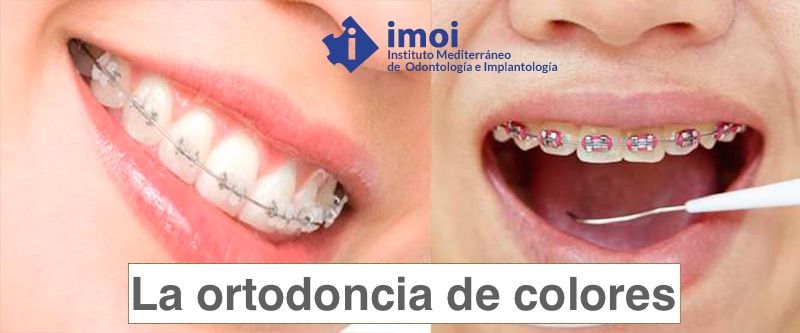
Colored brackets are in fashion.
In some places around the world, as in Japan, dental braces are not only used for the need to have perfect teeth, but as part of a fashion that provides a fresh, youthful and even somewhat innocent appearance for the wearer, so we dare to say that colored brackets are in fashion.
Young and old turn to fake braces as fashion accessories, but can people who need orthodontic treatment really consider their braces as just another fashion alternative?
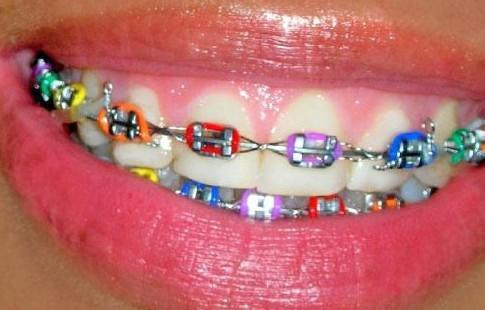 The truth is yes; going back a few decades in time, the braces used in orthodontics made the patient look uncomfortable, painful and with practically no esthetics. Although the goal of achieving a perfect smile was achieved, the price to pay in terms of comfort and good taste was high… very high.
Fortunately, the use of technology and the constant evolution in dentistry, and especially in orthodontic appliances, allow the patient to have a wide variety of options in terms of price, comfort, style and of course – why not? – the fashion you want to reflect while undergoing dental treatment, with a choice of different colors of dental brackets
These days, wearing braces is not only an issue that mainly affects children; if you grew up without having your teeth fixed and now you are hesitating to undergo orthodontic treatment, especially because of the image it will give you while wearing them, don’t worry! Read on because you will realize that wearing braces can also be a very pleasant stage in your life that does not affect your image in the eyes of others.
Invisible braces
Do invisible brackets exist? Yes; although they are not actually invisible, they are simply hidden on the inside of the teeth, this type of orthodontics is known as lingual braces.
lingual braces
. They require special care and can be a bit uncomfortable until the patient gets used to them.
 There is another orthodontic option somewhat similar in terms of invisibility, and it is a system that is currently preferred by many people around the world; its name: Invisaling . Both lingual braces and Invisaling are an ideal option for people who want to take care of their image. They are widely used by actors, models, drivers, executives and the occasional person who wants their dental treatment to go unnoticed.
Invisalign basically consists of placing aligners that can be put on and taken off and that are custom-made for you. They are totally invisible. If you are one of the people who want to use Invisaling or lingual braces because you are concerned about your image, it is important that you consult all the positive and negative aspects of these braces and of course, this information can be provided to you in a timely manner by your IMOI dental clinic in Barcelona or Ibiza . They will assess whether you are a candidate for them, depending on your characteristics and the treatment you need.
Increasingly, we are able to use invisalign in the treatment of more and more cases of severe malocclusion, bite correction or dental crowding. If it is not possible to treat you with invisalign do not worry, there are more options for you, see this section.
Multi-colored brackets or colored brackets
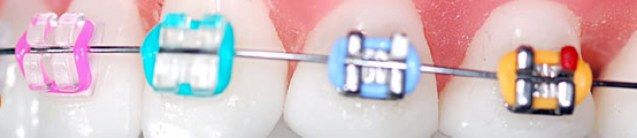
If you are a more daring person and prefer to wear your orthodontic treatment in a traditional way, you can opt for metal brackets that also allow you to wear colored bands. There is a wide variety of bracket colors and you can match them with other garments, and many people even change the color of their brackets several times throughout their treatment.
Contrary to what many people think, it is a comfortable and functional appliance (it is already a classic) that also allows you to change the color of the bands that hold the brackets to your dental arch at each consultation. This type of option is fun because you can adjust the colors to the season of the year you are in, the colors of your country, your favorite colors, etc.
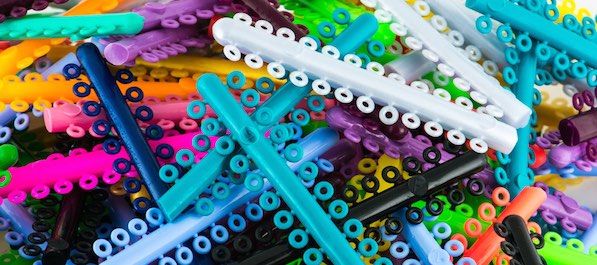
With the advance of colored brackets, they can be considered as one more accessory of your daily clothing and are still the most recommended for the most complicated malocclusions. You will be able to use them for several months depending on your treatment, the average being about 18 months.
Neutral style brackets
Of course there are also options for those who are looking for a more neutral style, there are people who don’t dislike having their braces visible to the naked eye, but prefer it without so much color or flashy accessories. Damon braces are an ideal option for most adults undergoing orthodontic treatment.
Undoubtedly, this type of brackets are growing in popularity statistics thanks to their functionality; they are also safe, resistant (as they are also metallic), have a degree of discretion and, of course, have the same effectiveness as brackets with garters. Their main advantage is that they can shorten orthodontic treatments by up to 30%, thus reducing their duration to less than 18 months.
Damon brackets are more sober and avoid bands as they are self-adjusting. If you like the look that braces give but without so much color, this is your best option.
Maximum discretion in brackets.
If you are a person who likes discretion, you can opt for the option of
aesthetic braces
. These types of devices are made of resistant – but almost invisible – materials such as sapphire, porcelain, among others.
Unlike the Invisalingthe aesthetic brackets only noticeable when you pay close attention to the wearer’s mouth, but they are the most suitable solution for people who cannot have their mouths cleaned. treatment with Invisaling and who require the utmost discretion in the use of dental appliances.
Aesthetic brackets require care in their cleaning and preservation to avoid staining or breakage. It is a treatment recommended almost exclusively to adolescents and adults precisely because of their need for attention.
There are undoubtedly a lot of options for anyone who needs to undergo orthodontic treatment or wear braces. Remember that more than a fashion, it is a medical procedure that should not be taken lightly, nor should it be seen only as part of a “look” or an accessory to your clothes.
The above are not only options created to give you a certain image, but they respond to the needs of each patient; if your dental problem is very serious, there will be options that no matter how much you want you will not be able to take, only your IMOI orthodontist will be able to tell you what is most convenient for you, what is the best option for you. You can wear orthodontic bra ces according to the results of the studies prior to the start of your treatment and you will be the one to choose whether you prefer more discreet braces or use colored brackets to complement your personality.
Technology advances day by day and in the case of orthodontics this is no exception, remember that the health of your teeth is paramount and you should pay all due attention. Let fashion be an incentive to wear a perfect smile!
What role do retainers play in the cost of orthodontics?
Retainers play a crucial role in the cost of orthodontics. During treatment, retainers are necessary to maintain the results obtained. In some cases, the cost of retainers is included in the orthodontic estimate. However, in other cases, withholding agents may have to be paid separately. This implies that patients should be prepared to cover the additional expense of retainers in addition to the overall cost of orthodontic treatment. It is important to consider these aspects when evaluating the total cost of orthodontics to ensure that the investment required to maintain long-term results is taken into account.
What tests are performed in the initial study and how do they affect the price of orthodontics?
During the initial orthodontic study, a series of tests are performed to evaluate the patient’s condition. These tests include taking x-rays and accurate measurements. X-rays provide a detailed picture of the tooth structure, allowing the orthodontist to identify potential problems and determine the best treatment approach. In addition, the measurements taken are important to obtain an accurate understanding of the current position of the teeth and jaw.
These tests can increase the price of orthodontics, as they involve additional costs for taking the x-rays and performing the accurate measurements. In addition, the time and effort invested by the orthodontist and his team is also reflected in the total price of the treatment. However, it is important to keep in mind that the initial study is essential to ensure a personalized and effective treatment plan, which will ultimately contribute to optimal results in the correction of the dentition.
How does the orthodontist’s training and experience influence the final price?
The training and experience of the dentist performing the treatment have a direct influence on the final budget. A dentist’s training can range from basic educational programs to advanced specializations, which will be reflected in his or her specific skills and knowledge. Dentists with more extensive and specialized training and experience tend to have a higher fee because of their ability to deal with more complex cases. In addition, experienced dentists tend to be more efficient and effective in their work, which in turn can affect the cost of treatment. In summary, the dentist’s training and experience are key factors to consider when determining the final budget for dental treatment.
How does the duration of treatment affect the price?
The duration of treatment has a direct impact on the cost, as it depends on the complexity of the malocclusion. The more severe the malocclusion, the longer it will take to correct and, therefore, the more expensive the treatment will be.
What is the type of appliance and how does it influence the cost of orthodontic treatment?
The type of equipment used in a dental treatment plays a fundamental role in its cost. Different types of braces, such as metal brackets, ceramic brackets or clear aligners, have varying costs. Metal brackets are usually the least expensive option, while ceramic brackets and clear alignerstend to cost more. This is because the materials used in these devices are more advanced, aesthetically appealing and expensive. In addition to the type of appliance, the level of complexity of each case and the duration of treatment required also play a role. Therefore, it is important to consider all of these variables when evaluating the total cost of dental treatment.
What factors influence the price of orthodontics?
Several factors influence the price of an orthodontic treatment:
- Type of appliances: The different types of appliances used in orthodontic treatment can have a significant impact on the total cost. Some appliances, such as traditional brackets, may be less expensive compared to more advanced options, such as clear aligners.
- Duration of treatment: The complexity of the malocclusion, i.e. the degree of dental misalignment, may influence the time required to correct it. The more severe the malocclusion, the longer the time required for treatment and, therefore, the higher the total cost.
- Experience and education of the practitioner: The training and experience of the orthodontist can also affect the final budget. More recognized or experienced professionals may charge higher fees due to their level of specialization and reputation.
- Initial study: Before starting any treatment, an initial study is performed in which X-rays are taken and measurements of the patient are taken. These initial tests are necessary to evaluate the dental condition and design an appropriate treatment plan. The cost of the initial study may increase the total price of orthodontics.
- Retainers: After orthodontic treatment is completed, it is necessary to use retainers to maintain the results obtained. Some estimates may include the cost of retainers, while in other cases it may be necessary to pay for them separately.
In summary, the type of appliance used, the duration of treatment, the experience of the professional, the initial study and the cost of the retainers are important factors that influence the price of an orthodontic treatment. It is crucial to consider these factors when evaluating the costs associated with orthodontic treatment.
What is usually included in the price of invisible orthodontics?
The approximate price for invisible orthodontics generally includes an initial set of 20 aligners and the possibility of up to ten additional refinements. In addition to this, digital and personalized case planning is also included, as well as orthopantomographies and teleradiographies and follow-up visits for 24 months.
What is the price of invisible orthodontics?
The price of invisible orthodontics may vary depending on the complexity of the case and the duration of treatment. In Spain, the cost of invisible orthodontics generally starts at around 2,400 euros. This approximate price normally includes an initial set of ten aligners and up to ten additional aligners to perfect the treatment. Also included in the price are digital and personalized case planning, as well as orthopantomographies and teleradiographies. However, it is important to keep in mind that each patient has specific needs, so to know the exact price of an invisible orthodontic treatment, it is advisable to visit one of the IMOI clinics and be evaluated by an orthodontist.
What are the orthodontic treatment options for children?
Orthodontic treatment for children offers a wide range of options in the form of interceptive appliances, which are designed to correct various abnormalities in the upper and lower jaw bones. It is essential to clarify that orthodontic treatment for children, known as interceptive orthodontics and orthopedics, is aimed at patients between the ages of six and thirteen. At this stage, the facial bones are in a crucial phase of growth, which makes it possible to influence their development and prevent major misalignments in adulthood. The cost of pediatric orthodontics will depend on factors such as the specific interceptive appliance used, the age of the child, the specific misalignment problems present and the duration of treatment.
What are lingual braces and their advantages and disadvantages?
Lingual braces, also known as invisible braces, are a unique type of orthodontic appliance that sets them apart from others. Unlike traditional brackets or aligners, lingual brackets are placed on the inner or lingual surface of the teeth, making them completely invisible from the outside.
One of the main advantages of lingual braces is their esthetic appeal. Because they are hidden behind the teeth, they offer a discreet orthodontic treatment option for people who may be concerned about the appearance of braces. This makes lingual braces particularly popular with those seeking a more esthetically pleasing option.
However, it is important to note that lingual braces have some disadvantages. First, they are usually more expensive compared to other orthodontic treatments. The complexity of customizing brackets for the lingual surface and the additional expertise required for placement contribute to the higher cost.
In addition, because of their unique placement, lingual brackets may be more uncomfortable compared to other types of braces. The tongue may come into contact with the brackets, which may cause pain or irritation of the tongue. Adapting to braces may also take some time as the tongue becomes accustomed to their presence.
Another drawback of lingual braces is that the treatment process may require longer and more frequent visits to the orthodontist for adjustments. This is because the placement and adjustment of lingual brackets can be more complex than with traditional brackets or aligners, requiring additional time and attention during follow-up appointments.
Despite these drawbacks, lingual braces remain a favorable option for people seeking a discreet and esthetic orthodontic treatment option. The invisibility they offer, combined with the potential for effective dental alignment, makes them an excellent choice for those who want straighter teeth without compromising their appearance.
What are the types and cost of orthodontic treatments available?
Orthodontic treatment is an increasingly popular dental specialty that focuses on correcting the position of teeth using various appliances. Orthodontics not only improves the aesthetics of your smile, but also improves the functionality of your mouth. Many patients are anxious to know how much orthodontic treatment costs and what factors influence the final price. To provide a comprehensive answer, let’s first explore the different types of orthodontic treatment and their key features.
The cost of orthodontic treatment depends mainly on the type of appliance chosen. Each option has its own advantages and disadvantages, which ultimately influence the determination of its price.
- Traditional braces: Traditional braces are the most common type of orthodontic treatment. They consist of metal or ceramic brackets bonded to the teeth, connected by wire that gradually moves the teeth into proper alignment. The cost of traditional braces can vary depending on the material of the brackets, the complexity of the alignment problems and the duration of the treatment.
- Clear aligners: Clear aligners, such as Invisalign, have gained popularity in recent years. These clear, removable trays are custom-made to fit over the teeth and gradually move them to the desired position. Clear aligners offer a more discreet option compared to traditional brackets. The cost of clear aligner treatment may vary depending on the severity of your case and the number of aligners needed.
- Lingual braces: Lingual braces are similar to traditional braces, but are placed on the back of the teeth, making them virtually invisible from the front. They are an excellent choice for those who want discreet orthodontic treatment. Lingual braces tend to be more expensive compared to traditional braces due to their customized nature and complexity.
- Self-ligating appliances: Self-ligating appliances use a sliding mechanism instead of elastic bands to hold the wire in place. This allows for more comfortable and efficient tooth movement. The cost may vary depending on the brand of self-ligating brackets, as well as the specific needs of each patient.
- Ceramic brackets: Ceramic brackets work similarly to traditional brackets, but have clear or tooth-colored brackets that match the natural color of the teeth. The cost of ceramic brackets can be higher than traditional metal brackets due to their aesthetic appeal.
It is important to note that the total cost of orthodontic treatment includes initial consultations, x-rays, periodic adjustments, retainers and post-treatment follow-ups. In addition, factors such as the orthodontist’s experience, location and any associated dental treatment or surgery can influence the total cost.
To determine the exact cost and the most appropriate treatment option for your specific case, it is essential to consult with an orthodontist who can evaluate your needs and give you an accurate estimate. Remember that investing in orthodontic treatment can lead to a beautiful smile and better long-term oral health.
Why is it important to continue with check-ups even after braces are removed?
Attending orthodontic checkups even after braces have been removed is crucial to maintaining orthodontic treatment results. It is important to follow the orthodontist’s instructions and wear retainers for the recommended time. Failure to do so may result in unnecessary tooth movement that could potentially undermine the success of the treatment. Unfortunately, many people who have received orthodontic treatment previously but did not wear retainers properly end up with teeth that have shifted, requiring additional orthodontic treatment. By attending regular check-ups, you will be able to evaluate the stability of the results and detect in time any minor changes that may jeopardize the outcome of your new smile.
When should removable retainers be changed?
To ensure the effectiveness and longevity of your removable retainers, it is important to replace them promptly when significant wear is noted. An indicator that it may be time to purchase new retainers is the presence of small holes in the molar area. By addressing this problem proactively, you can avoid a decrease in functionality or, worse, a sudden breakage that would force you to temporarily go without retainers until you visit the dental clinic to have new ones fabricated.
Can I eat with removable retainers?
Yes, you can eat with removable retainers, but it is generally not recommended. Eating with removable retainers can be unhygienic and uncomfortable. It may also increase the likelihood of retainers breaking or losing their transparency. The only thing that can be consumed with removable retainers is water. It is advisable to remove the retainers before eating to avoid any damage or discomfort.
How are orthodontic retainers cleaned?
To clean orthodontic retainers, there are different methods depending on whether they are fixed or removable retainers.
If you have fixed retainers, remember that they cannot be removed for cleaning. To keep them clean, it is important to brush your teeth properly, paying special attention to the area where the wire is placed. This will help remove plaque and tartar that tend to accumulate around the retainer bar. In addition to brushing, it is recommended to use orthodontic specific dental floss or use a threader once a day to clean between the teeth and the retainer.
It is also important to attend oral hygiene appointments at the dental clinic. During these appointments, the hygienist will remove tartar build-up from both the teeth and the retainer, making sure they are clean and in good condition.
As for the removable retainers, cleaning them is quite simple. After using them overnight, wash them with warm water and neutral soap every morning. For a more thorough cleaning, it is recommended to immerse the retainers in a glass of water and a specific effervescent tablet for cleaning dentures once a week. Once clean, dry them carefully with paper or a clean towel and store them in their case.
Remember to always follow the instructions of your orthodontist and dental hygienist to keep your retainers clean and in good condition, which is essential for the long-term success of your orthodontic treatment.
Do dental retainers hurt?
Dental retainers do not usually cause significant pain or discomfort. Both fixed and removable retainers are designed so that they do not interfere or cause discomfort in the patient’s daily activities, such as speaking or eating. Fixed retainers consist of a thin wire that is usually placed on the back of the teeth, and because of their design, they should not cause pain when properly fitted. As for removable retainers, such as Essix retainers or Hawley plate, they do not apply force to the teeth, but simply serve the function of containing the dental position achieved through orthodontic treatment. Because of this, removable retainers are often more comfortable than traditional orthodontic appliances.
How often are retainers changed?
To determine the frequency with which retainers should be changed, it is essential to keep in mind that they should be checked periodically, generally between once and twice a year. During these check-ups, the orthodontist will evaluate whether adjustments to the current retainer are necessary or if it is advisable to replace it with a new one.
In the case of removable retainers, it is important to consider that, as they are worn every night, they are subject to some wear and tear. This wear may be more evident in people who suffer from bruxism or who tend to clench their teeth. Therefore, it is recommended that the professional determine, on a case-by-case basis, the appropriate periodicity for changing the retainers. This may vary from person to person, as some may require more frequent changes due to increased wear or possible deformation, while others may extend the life of their retainers longer.
In summary, the frequency with which retainers should be changed varies according to individual needs. It is essential to follow the orthodontist’s recommendations and have regular check-ups to ensure that the retainers are in optimal condition and are performing their function of maintaining proper dental alignment.
How long are retainers worn?
The length of time that retainers should be worn depends on the orthodontist’s recommendation. However, it is common for many orthodontists to believe that retention should be for life. This is because teeth have a natural tendency to become crowded, both in people who have worn braces and in those who have not. In addition, the need for retainers is especially important in cases where complex malocclusion has been treated or in those with severe crowding. Although the idea of wearing retainers for life may seem excessive, it is important to note that it does not significantly affect the patient’s quality of life. By maintaining the stability of the results achieved with orthodontics and preventing possible unwanted tooth movement, the continued use of retainers is crucial to maintaining a healthy, aligned smile over the long term. Therefore, following the orthodontist’s recommendations regarding the use of retainers is essential to ensure the success of orthodontic treatment.
When should retainers be placed?
Retainers should be placed immediately after orthodontic treatment is completed. It is important that the teeth do not have time to move or become misaligned. For fixed retainers, they can usually be placed the same day the dentist removes the brackets or clear aligners. However, in the case of removable retainers, additional time is required because they must be custom-made to fit the patient’s mouth. Typically, the orthodontist will take impressions of the patient’s mouth the same day the braces are removed and a few days later the patient will return to the dental office to pick up the custom removable retainers.
What are the most recommended retainers?
There are two types of retainers that your orthodontist may recommend after orthodontic treatment: fixed retainers and removable retainers. In some cases, your orthodontist may instruct you to wear both types of retainers, as each has different benefits.
The fixed retainer is permanently bonded to the teeth and does not need to be removed or replaced. This makes it ideal for forgetful people, as it is not necessary to remember to use it. It provides constant stabilization and helps maintain the results obtained with orthodontic treatment.
On the other hand, the removable retainer is mainly used at night, while sleeping. This type of retainer provides additional reinforcement to ensure that the teeth remain in their correct position. It is important to use it as directed by your orthodontist for optimal stabilization of treatment results.
The combination of both retainers may be recommended to ensure maximum stability of the teeth and to guarantee that the results of orthodontic treatment are maintained in the long term. It is especially important to wear both types of retainers during the first six months after treatment to ensure proper stabilization.
What are the most commonly used “removable” retainers?
The most commonly used “removable” retainers today are Essix retainers and the Hawley plate. Essix retainers are the most common today and consist of clear splints that cover all teeth, from molar to molar. These splints act as a type of sheath that fits over the teeth and keeps them in their correct position. On the other hand, the Hawley plate is a device composed of a combined metal and acrylic structure. This retainer works by wrapping around the teeth, holding them in place and preventing them from shifting out of place. Both retainers are removable, which facilitates their use and maintenance. These two types of retainers are quite popular due to their effectiveness and comfort for patients.
What are removable retainers?
Removable retainers are devices designed to be worn by patients only during certain hours of the day, usually while they sleep. For this reason, they are also known as “removable” retainers. Unlike fixed retainers, which consist of a standard wire bar, removable retainers are custom-made to fit the patient’s mouth. They are used to maintain the proper position of teeth after orthodontic treatment, preventing teeth from moving or shifting. Because they can be removed, patients can maintain proper oral hygiene and eat without restrictions, while still obtaining the retention benefits necessary to maintain proper dental alignment.
What are fixed retainers?
Fixed retainers are devices made of thin wire bars that are placed on the inside of the teeth, specifically from the canine to the canine. Its location on the inner side, also known as lingual, has the advantage that fixed retainers are imperceptible to the naked eye to others. In short, fixed retainers are a discreet way to keep teeth in their proper place.
What are dental retainers and what is their function?
Dental retainers are devices that are used after undergoing orthodontic treatment in order to maintain the position achieved by the teeth. Its main function is to prevent unwanted tooth displacement, since teeth have a natural tendency to move and may try to return to their original position before treatment. It is important to note that teeth have a kind of “memory”, so if retainers are not used after orthodontics, there is a risk of teeth shifting again. In essence, dental retainers are essential to the success of treatment by maintaining the alignment and position achieved during orthodontics.
Tips for cleaning essix, hawley and vivera retainers.
To clean orthodontic retainers and ensure they stay in good condition, follow these tips:
Wash your hands: Before handling your retainers, be sure to wash your hands thoroughly with soap and water to avoid transferring bacteria to them.
Rinse with lukewarm water: After each meal, rinse your retainers with lukewarm water to remove any food residue or plaque.
Gentle brushing: Use a soft-bristled toothbrush and some mild toothpaste to brush your retainers. Rub gently on all surfaces to remove any plaque build-up or stains.
Avoid the use of harmful products: Avoid using hot water, harsh detergents, alcohol mouthwashes or any abrasive cleaning products, as they can damage or deform your retainers.
Soaking in cleaning solution: Once a day, soak your retainers in a cleaning solution specifically for orthodontic appliances. Follow the manufacturer’s directions for use and be sure to rinse them thoroughly before using them again.
Proper handling: When handling your retainers, avoid bending or twisting them, as they may break or lose their proper shape.
Proper storage: When you are not wearing your retainers, store them in their protective case to prevent them from being damaged or contaminated with bacteria.
Remember that these tips are general and it is important to follow the specific instructions provided by your orthodontist. If you have any questions or problems with your retainers, do not hesitate to consult your dental professional.
What is the function of dental forks and how long should they be used?
Dental retainers play a crucial role in any orthodontic treatment. Its main objective is to maintain the results achieved during treatment, preventing the teeth from returning to their original position. To achieve this, it is essential to use the retainers correctly and consistently.
The duration of the use of retainers depends on the individual case of each patient. It is generally recommended to wear them full time for the first few months after braces are removed. Subsequently, they can be used only at night or according to the specific indications of the orthodontist. In some cases, dental retainers may be necessary for life to maintain optimal orthodontic treatment results.
In short, dental retainers have the important function of maintaining the results of orthodontic treatment, preventing teeth from shifting again. The duration of the use of retainers varies according to each patient and the specific indications of the orthodontist.
Which brackets are better, metal or sapphire?
When it comes to determining which type of bracket is better, metal or ceramic (such as zirconia or sapphire), there is no definitive answer. The choice of orthodontic treatment depends on several factors unique to each individual, including their lifestyle and the importance they place on factors such as esthetics or cost.
Metal brackets are a suitable option for those seeking an effective and economical appliance. They are strong and very efficient in correcting misaligned teeth. However, if you prioritize esthetics and want to avoid the flashy appearance of metal brackets, ceramic brackets, such as zirconia or sapphire, may be a better option.
Ceramic brackets are designed for patients who desire a more esthetically pleasing orthodontic treatment. They are translucent, which makes them blend in better with the natural color of the teeth and are less noticeable compared to metal brackets. Therefore, individuals who care about their image and have a clear preference for avoiding the unsightly appearance of metal brackets may find ceramic brackets to be a suitable option.
It is important to note that while ceramic brackets tend to have a higher price tag compared to their metal counterparts, they are still more affordable than options such as invisible aligners. This makes them a great alternative for those seeking a balance between reasonably priced treatment and improved aesthetics.
Ultimately, the decision between metal and ceramic brackets is a very personal one and should be based on each individual’s specific needs and preferences. Consulting with an orthodontist is crucial to determine the most appropriate option based on factors such as oral health, desired outcome, lifestyle considerations and budget.
If you have any questions use the chat on the page, our dentists will help you.
At IMOI Barcelona and IMOI Ibiza, we follow editorial principles that guarantee the authenticity of all the information we disseminate. If you are interested in learning more about how we ensure that our content is always up-to-date and accurately supported, we invite you to review our editorial commitment.
This article has been supervised by Dr. Ferran Novell Costa and Dra. Erjona Demiraj, specialists in Dental Health and Dental Aesthetics treatments. Responsible for the treatments provided at IMOI Barcelona and IMOI Ibiza and for the supervision and/or updating of the contents of this blog entry. (7/11/2023). The recommendations described are not generic and do not replace the diagnosis and evaluation of a professional in a dental office. If you want us to clarify any aspect or you want a personalized diagnosis and advice we recommend you to come to our dental clinics.
Reproduction in whole or in part in any medium without written permission is prohibited.


